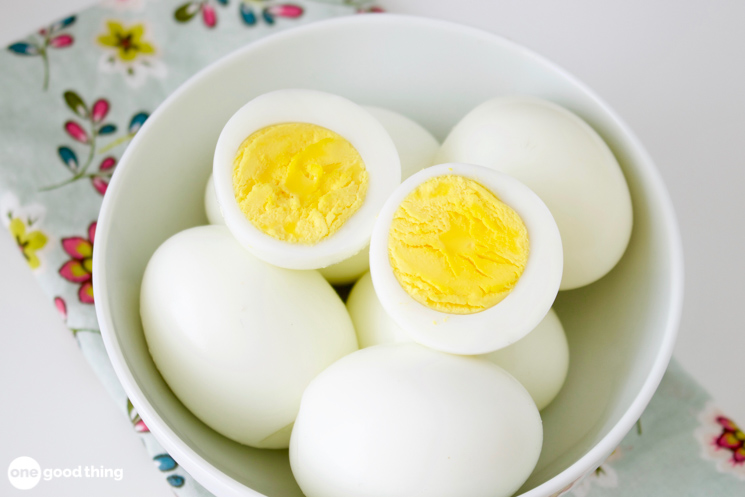
For anyone who loves the convenience, versatility, and nutritional punch of a perfectly cooked egg, the struggle is real: the frustration of trying to peel a "hard-boiled" egg only to have chunks of the pristine white stick stubbornly to the shell. You've tried every trick in the book – ice baths, a dash of salt, a splash of vinegar, baking soda, even religiously buying older eggs – yet often, you're left with a scraggly, dimpled, and frankly, sad-looking mess. It's a common kitchen woe that can deter even the most enthusiastic home cook from enjoying this simple, protein-rich staple.
What if there was a method that virtually guaranteed a smooth, effortless peel every single time? A technique that transforms the dreaded peeling process into a satisfying slide? Enter the world of steamed eggs. This increasingly popular method isn't just a trend; it's a game-changer that promises flawless results, consistent texture, and an end to your egg-peeling nightmares. Once you discover the magic of steaming, you'll wonder why you ever bothered boiling.
The Age-Old Peeling Predicament: Why Boiled Eggs Often Disappoint
The traditional method of boiling eggs, while seemingly straightforward, often leads to the infamous peeling nightmare. When an egg is plunged into boiling water, the rapid change in temperature can cause the egg white proteins to bond fiercely with the inner membrane of the shell. This strong adhesion makes it incredibly difficult to separate the shell cleanly, often resulting in ragged edges, unsightly divots, and a significant loss of edible egg white. It's a culinary disappointment that many of us have come to accept as an unfortunate side effect of preparing hard-boiled eggs.
Despite numerous internet "hacks" – from adding various agents to the water to specific cooling techniques – consistency remains elusive. One batch might peel beautifully, while the next yields a cratered catastrophe. This unpredictability can be incredibly frustrating, especially when you're preparing eggs for a salad, deviled eggs, or simply a quick, healthy snack. The time and effort spent on peeling often outweigh the perceived simplicity of boiling, making many home cooks seek a more reliable solution.
The Steaming Secret: Unlocking Effortless Peeling with Steamed Eggs
The number one, undeniable reason to switch to steamed eggs is the unparalleled ease of peeling. It’s not just a little easier; it’s a revelation. The shell doesn't just chip away; it slides right off, often in large, satisfying pieces, with minimal effort. The first time you experience this seamless separation, it truly feels like a kitchen superpower. You'll feel like a real chef who has finally cracked the code to perfect eggs.
So, what's the scientific secret behind this magic? Unlike boiling, which subjects the egg to intense, direct heat from the surrounding water, steaming provides a gentler, more even heat distribution. This consistent, indirect heat allows the egg white to set more gradually, creating a tiny, almost imperceptible gap between the cooked egg white and the inner membrane of the shell. This subtle separation prevents the proteins from adhering tightly to the shell, making it a breeze to remove once cooked and cooled. The result is a smooth, pristine egg, every single time, without the struggle or the mess.
Beyond Easy Peeling: The Added Advantages of Steamed Eggs
While effortless peeling is undoubtedly the main draw, the benefits of steamed eggs extend far beyond just the shell. This method also contributes to a superior overall egg experience:
- Perfect Texture and Appearance: Steaming helps achieve a consistently tender and uniformly cooked white. It also significantly reduces the risk of that unappetizing dark green ring around the yolk, a common sign of overcooked boiled eggs. By precisely controlling cooking times, you can easily achieve your desired level of doneness, from jammy yolks to fully firm, creamy centers.
- Versatility in the Kitchen: Once you master Master Steamed Eggs: Your Guide to Flawless, Perfectly Peeled Results, a world of culinary possibilities opens up. They are fantastic on salads, as a protein-rich garnish for various side dishes, or simply as a nutritious midday snack. Have you ever tried one with a pinch of chili oil? Absolutely delicious!
- Consistent Results: The steaming method offers a level of control and predictability that boiling simply cannot match. With a timer and a consistent setup, you can reliably produce perfect eggs batch after batch, making meal prep a breeze.
Your Guide to Perfectly Steamed Eggs: Tips and Tricks
Achieving consistently flawless steamed eggs is simple, but a few key steps make all the difference:
- Start with Boiling Water: Ensure your water is at a rolling boil before you place the steamer basket and eggs into the pot. This creates an immediate, consistent steam environment, crucial for accurate timing.
- Use a Timer (No Guessing!): Precision is key. Once the pot is covered with the lid and the steam is flowing, start your timer. Don't rely on visual cues; you can't see what's happening inside the shells! Typical times for "hard-boiled" consistency range from 12-15 minutes, but this can vary slightly with egg size and stove power.
- Consider Altitude: If you live at a higher altitude (like 5,000+ feet), you'll need to increase your cooking times, often by several minutes. High altitude means lower boiling points and less intense steam.
- The All-Important Ice Bath: As soon as the timer goes off, transfer the eggs immediately to an ice water bath. This halts the cooking process, preventing residual heat from overcooking the yolks (and causing that greenish ring), and further aids in the easy peeling process.
- Quality Ingredients Matter: As with any recipe, the quality of your ingredients impacts the final taste. Use large, good-quality eggs for the best effect.
- Storage: Once cooled, store your fully cooked steamed eggs in the fridge in an airtight container for up to one week. They’ll be ready for any meal or snack whenever you are.
Exploring the World of Steamed Eggs: Beyond Hard-Boiled Style
While perfect, easily peelable "hard-boiled" eggs are a fantastic application of steaming, the method's versatility extends to other culinary delights. The delicate touch of steam is also behind the creation of the exquisite Chinese steamed egg custard, known as Zheng Dan Gao (蒸蛋羹). This dish showcases the incredible range of textures possible with steam.
Chinese steamed eggs are renowned for their smooth, slippery, and heavenly soft texture, resembling a delicate savory custard. Achieving this requires minimal ingredients – typically just eggs and water or chicken stock – but attention to detail is paramount for that flawless, silky finish. Key tricks include maintaining an ideal egg-to-water ratio (around 1:2 in volume is often recommended; e.g., 50ml egg to 100ml water) and using warm water (around 45°C or 113°F) to ensure the beaten egg and liquid combine perfectly without scrambling. This gentle heat, again, prevents harsh textures and fosters that coveted smooth consistency. For a deeper dive into this delicate art, explore Chinese Steamed Eggs: Achieve Heavenly Softness with This Guide.
Conclusion
The quest for the perfectly peeled egg ends with the steaming method. By embracing steamed eggs, you're not just choosing an easier way to cook; you're upgrading your entire egg experience. Say goodbye to frustrating, scraggly peels and hello to smooth, beautiful whites, consistently cooked yolks, and a newfound confidence in the kitchen. Whether you're making a simple snack or an elaborate salad, the reliability and superior results of steamed eggs make them the undisputed champion over their boiled counterparts. It’s a simple trick that delivers profound satisfaction, making it a technique every home cook should master.
