Master Steamed Eggs: Your Guide to Flawless, Perfectly Peeled Results
For decades, the humble hard-boiled egg has been a kitchen staple, a versatile protein source for salads, sandwiches, and snacks. Yet, a persistent frustration has plagued countless home cooks: the dreaded struggle to peel them. We've all been there – chipping away at stubborn shells, tearing chunks of precious egg white, and ending up with sad, cratered eggs. But what if there was a better way? A method so simple, so effective, it would revolutionize your egg preparation forever? Welcome to the world of steamed eggs – the secret to achieving flawlessly peeled, beautiful eggs every single time.
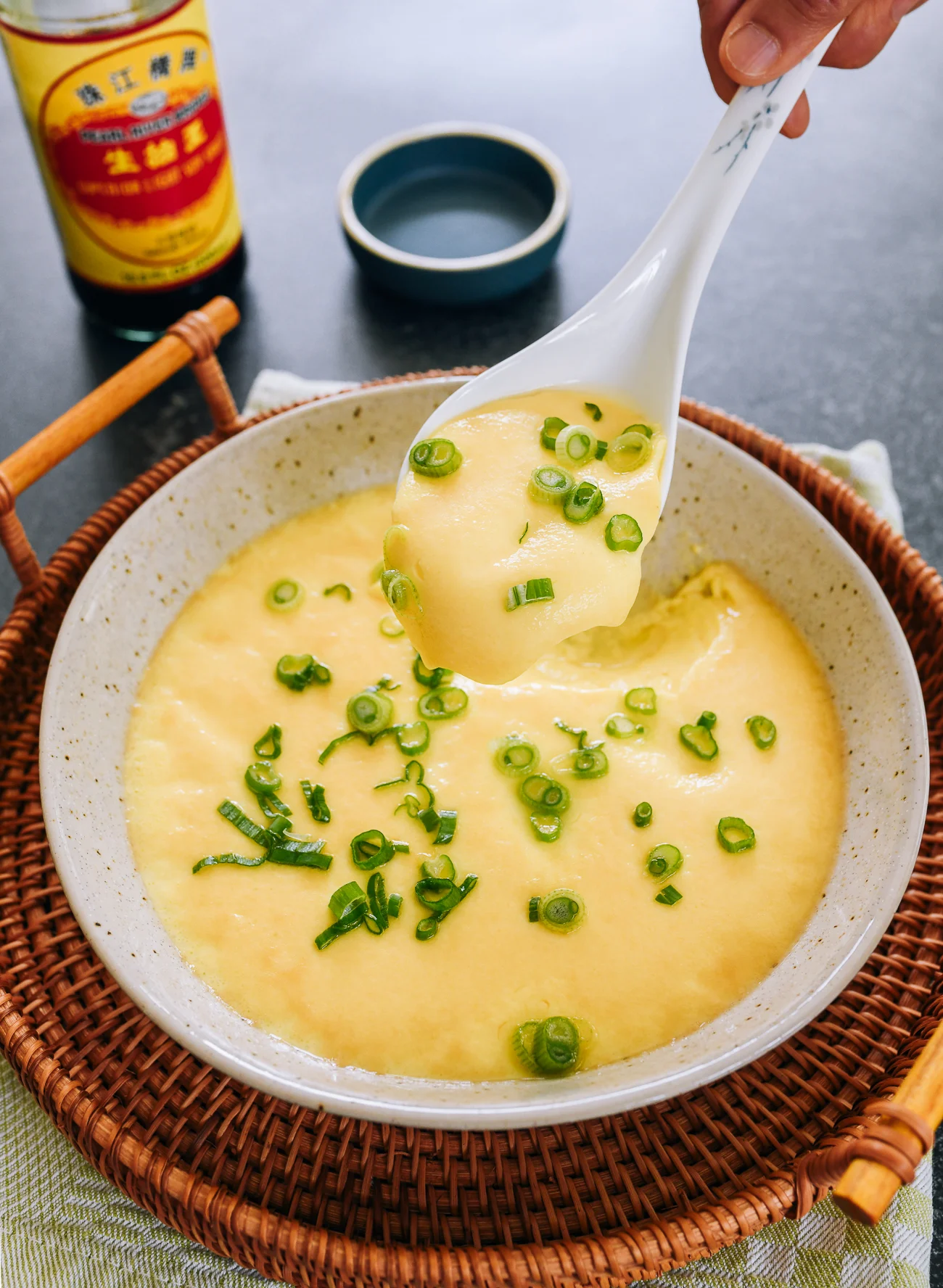
Beyond just easy peeling, the steaming method also unlocks the creation of another culinary delight: the delicate, silky-smooth Chinese steamed egg custard. This guide will walk you through mastering both variations, ensuring your eggs are always perfect, whether destined for a salad or a comforting bowl of savory custard.
The Peeling Revolution: Why Steamed Eggs Are Your New Best Friend
Ask any seasoned cook about their pet peeves, and "peeling hard-boiled eggs" is likely to make the list. For years, the internet has been flooded with "hacks" – from adding salt or vinegar to the water, using older eggs, or dunking them in an ice bath. While an ice bath is a crucial step, none of these methods consistently deliver the promised magic. You'd still frequently encounter shells that adhered stubbornly, leaving your eggs dimpled, misshapen, and visually unappealing.
The core issue with traditional boiling is often the rapid and aggressive cooking process. The intense heat can cause the egg white to bond more strongly with the inner membrane of the shell. Steaming, however, offers a gentler, more uniform heat transfer. This difference is subtle but profoundly effective, allowing the membrane to separate cleanly from the cooked egg white. The result? A shell that practically slides off with minimal effort, revealing a pristine, smooth egg white beneath.
Once you try steaming your "hard-boiled" eggs, you'll understand why it's a game-changer. It transforms a frustrating chore into a simple, satisfying task. Say goodbye to scraggly whites and embrace the joy of perfectly peeled eggs for all your culinary needs. To dive deeper into this game-changing technique, explore Unlock Easy Peeling: Why Steamed Eggs Beat Boiled Every Time.
Your Step-by-Step Guide to Perfectly Peeled Steamed Eggs (Hard-Boiled Style)
Achieving consistently perfect, easily peeled steamed eggs is incredibly straightforward. It requires minimal equipment and a keen eye on the clock. Here's how to master it:
Essential Equipment:
- A pot with a tight-fitting lid
- A steamer basket (bamboo or metal)
- A timer
- A bowl of ice water (an ice bath)
The Method:
- Bring Water to a Rolling Boil: Add about 1-2 inches of water to your pot – enough so it doesn't touch the bottom of your steamer basket, but not so much that it evaporates too quickly. Bring this water to a vigorous, rolling boil before adding your steamer basket or eggs. This ensures consistent cooking times from the moment the lid goes on.
- Place Eggs in Steamer Basket: Carefully arrange your large, good-quality eggs in a single layer within the steamer basket. Avoid overcrowding, as this can lead to uneven cooking.
- Steam with Precision: Place the steamer basket into the pot over the boiling water. Immediately cover the pot with the tight-fitting lid and start your timer. The steaming time will vary depending on your desired yolk consistency:
- 6-7 minutes: Soft-boiled (runny yolk)
- 8-9 minutes: Medium-boiled (creamy, slightly jammy yolk)
- 10-12 minutes: Hard-boiled (firm, fully cooked yolk)
- Immediate Ice Bath: As soon as the timer goes off, carefully remove the eggs from the steamer basket and plunge them directly into the prepared ice water bath. This crucial step immediately halts the cooking process, preventing overcooking (which can lead to that unappetizing greenish-gray ring around the yolk) and further aiding in easy peeling. Let them cool in the ice bath for at least 5-10 minutes.
- The Easiest Peel Ever: Once cooled, gently tap an egg on a hard surface to crack the shell all over. Roll it between your hands to loosen the shell further, then simply peel under cold running water. You'll be amazed as the shell slips away, revealing a perfectly smooth, unblemished egg white.
Store your fully cooked, peeled, or unpeeled steamed eggs in an airtight container in the refrigerator for up to one week. They make a fantastic, protein-rich snack, a beautiful addition to salads, or a garnish for countless dishes. Try them with a sprinkle of chili oil for an extra kick – yum!
Beyond the Shell: Crafting Heavenly Chinese Steamed Egg Custard
While steaming is fantastic for "hard-boiled" eggs, it also shines in creating a completely different, yet equally delightful, egg dish: Chinese steamed egg custard (蒸蛋羹), often referred to as water egg. This dish is a testament to the transformative power of gentle steaming, yielding a silky, smooth, and incredibly delicate texture that practically melts in your mouth. While seemingly simple, achieving that flawless, "heavenly soft" result requires a few key details.
This dish holds a special place in many hearts, often evoking comforting childhood memories. It's minimalist in ingredients but rich in flavor and texture, provided you get the technique right. For a deeper dive into this exquisite dish, be sure to read Chinese Steamed Eggs: Achieve Heavenly Softness with This Guide.
Keys to Perfection:
- The Golden Ratio (Egg-to-Water): This is perhaps the most critical factor. The ideal ratio is approximately 1 part egg to 2 parts water by volume. For example, if one medium egg measures about 50ml, you'll need 100ml of water.
- Too much egg: Results in a firmer, harder curd.
- Too much water: Can prevent the mixture from solidifying properly.
- Warm Water is Your Friend: Using warm water (around 45°C or 113°F) helps the beaten egg and water combine seamlessly, contributing to a smoother final texture. A simple trick: boil some water, then mix it with an equal amount of tap water to achieve the right temperature.
- Strain for Silky Smoothness: To eliminate any stray bits of egg white or air bubbles, pass your egg and water mixture through a fine-mesh sieve or strainer directly into your steaming bowl. This step is non-negotiable for that signature smooth, "slippery" texture.
- Gentle Steaming & Covered Bowl: The goal is gentle, consistent steam, not a violent boil that can cause large bubbles and an uneven texture. Cover your steaming bowl tightly with aluminum foil or a heat-proof plate before placing it in the steamer. This prevents condensation from dripping back into the custard, which can create unsightly dimples and waterlogged spots.
- Precise Timing: Steaming time for custard typically ranges from 10-15 minutes, depending on the size and depth of your bowl and your desired firmness. Begin checking for doneness after 10 minutes by gently shaking the bowl; it should be mostly set with a slight jiggle in the center.
Common Pitfalls & Pro Tips for Steamed Egg Success
While steamed eggs are generally forgiving, being aware of common issues can help you avoid them and achieve perfection every time.
- The Green Ring of Death (Hard-Boiled): This unappetizing greenish-gray layer around the yolk is ferrous sulfide, formed when eggs are overcooked. The sulfur in the egg white reacts with the iron in the yolk. Prevent this by sticking to precise cooking times and always transferring eggs immediately to an ice bath.
- Cracked Shells (Hard-Boiled): While steaming is gentler, eggs can still crack if they hit the steamer basket too hard or if you overcrowd them. Place them carefully and ensure there's enough space.
- Bubbly/Holey Custard (Chinese Steamed Eggs): This is usually a sign of steaming at too high a heat or not straining the mixture. Keep the heat moderate and always strain for that perfect, smooth surface.
- Quality of Ingredients: Always start with good-quality, large eggs for the best flavor and texture, whether you're making easy-peel hard-boiled eggs or delicate custard. The quality of your eggs truly impacts the final result.
- Adding Flavor to Custard: A drizzle of light soy sauce, a touch of sesame oil, and a sprinkle of chopped scallions are classic finishing touches for Chinese steamed egg custard. Experiment with a pinch of white pepper or a few drops of chili oil for a subtle kick.
Conclusion
Steamed eggs, in both their easy-peel "hard-boiled" form and their delicate custard incarnation, represent a culinary revelation. They eliminate the frustrations of traditional boiling, delivering consistent, beautiful results with minimal effort. Whether you're seeking a protein-packed snack, an elegant salad topper, or a comforting, silky-smooth dish that transports you back to cherished family meals, mastering the art of steamed eggs is a skill worth acquiring. Embrace these simple yet powerful techniques, and you'll soon wonder why you ever cooked eggs any other way. Happy steaming!
